


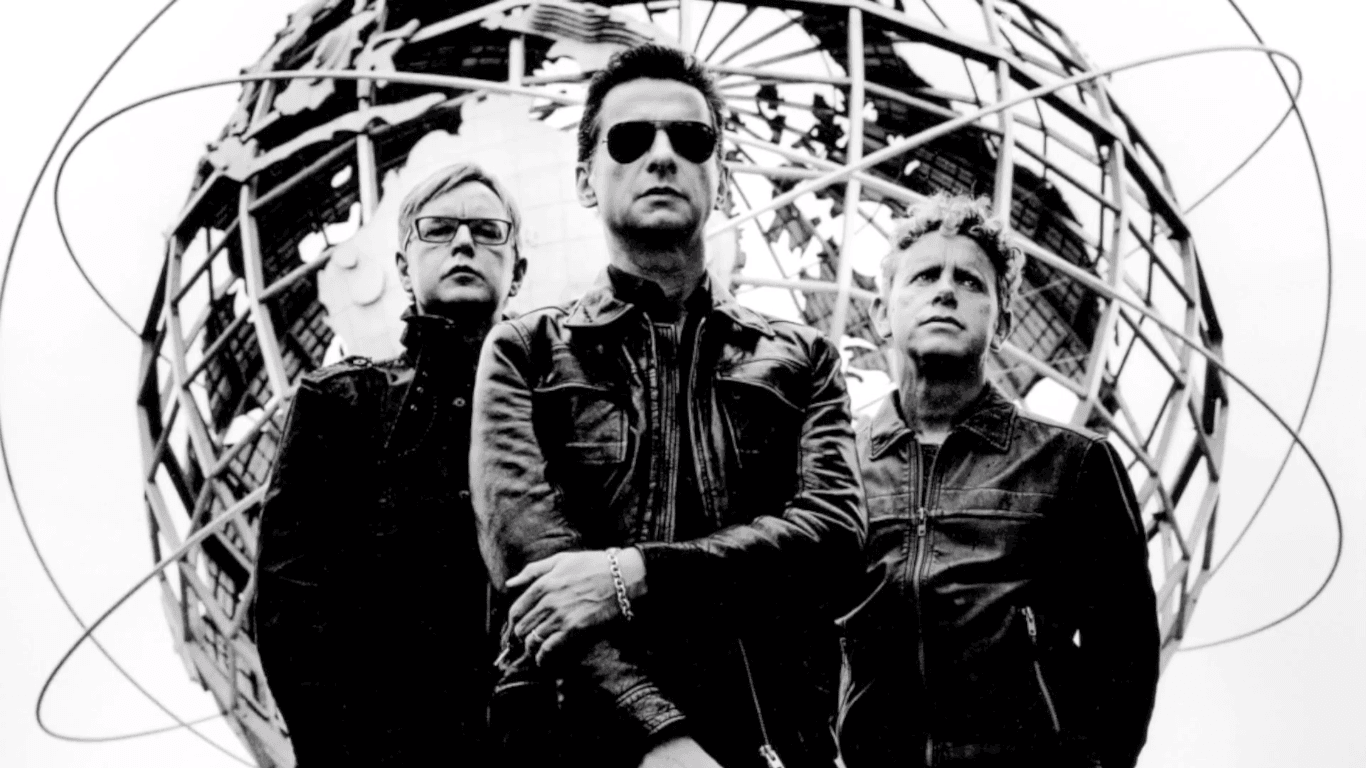
A few days ago, we were talking about the Depeche Mode concert at the ITbusiness Human Hungary conference during a roundtable discussion.
Of course, this was not the main focus, but Depeche Mode’s concert in Budapest came up, at least in the context of how a manager or company can motivate colleagues to perform at a high level in the long term. We all agreed that salary is only one of the factors.
First of all, perhaps we need to understand why we actually work.
The answer seems to be simple, buti t is actually not.
Because if motivation at work were just a question of money, then we would have to give pay rises every other month…
In fact, as I see it, the opposite is true: professional performance is what usually brings in the ‘big money’.
But one thing seems certain: a high salary alone is not enough to get colleagues to give their best every day.
Last Monday evening, as I watched these superstars perform at the Fradi Stadium, I couldn’t help but think — it’s hard to believe that David Gahan or Martin Gore, both nearing sixty, are still touring the world and playing to packed arenas simply for the money. They’ve been doing this for over three decades.
Anyone who knows professional athletes — or has ever trained seriously in any sport — understands that the effort put in on ordinary weekdays isn’t driven primarily by financial reward.
In reality, most of us aren’t motivated by money alone, but by recognition and purpose.
On an average workday, what truly fuels us is not the balance in our bank account, but the sense of achievement and meaning in what we do.
We need to see, feel, and know that our work matters — that it contributes to something valuable, that it’s recognized by our leaders and our company.
I’m certainly not alone in this belief. In his book Predictably Irrational, Dan Ariely demonstrates through multiple experiments that the experience of success and the visibility of one’s results are far stronger motivators than money itself.
Returning to the topic of the conference, our discussion centered on what IT leaders can do to further engage their teams and attract top professionals to their organizations.
One thing is clear: communication plays a crucial role in success — both in how a manager communicates with their team and how the company presents itself to the outside world.
The tone, behavior, feedback, and presence of a leader — and the way the organization communicates its values — can make all the difference in fostering motivation and loyalty.
Richárd Drágus, Deputy Managing Director